Multan is one of the hottest cities in Pakistan, with summer afternoons that regularly push past 45 degrees Celsius. That makes air conditioning almost a necessity, and electricity bills painful. A carefully planned solar installation in Multan can offset much of that cost, but extreme heat changes how panels behave, and the design needs to account for it.
This article explains the heat-related details most generic guides skip, from temperature derating to mounting height, so your system performs as promised.
How Heat Affects Solar Installation in Multan
Solar panels love light but not heat. Every panel has a temperature coefficient, usually around minus 0.3 to minus 0.4 percent per degree Celsius above 25. On a scorching roof, panel surface temperature can reach 65 to 75 degrees, which means output can fall noticeably compared with the rating on the datasheet.
This is not a reason to avoid solar. Multan also receives very high irradiance, so total yield remains strong. It simply means you should favour panels with a lower temperature coefficient and leave space for air to circulate.
Why does a lower temperature coefficient matter?
Two panels with the same wattage can behave very differently at 70 degrees. The one with a smaller coefficient loses less power in the afternoon, exactly when your air conditioners draw the most. Always compare this number on the datasheet, not only the headline wattage.
| Panel feature | Why it matters in Multan | What to look for |
|---|---|---|
| Temperature coefficient | Reduces loss on hot roofs | Closer to -0.30 %/C than -0.40 %/C |
| Cell technology | Efficiency and heat tolerance | Mono PERC or N-type |
| Mounting height | Airflow under the array | At least 20 to 30 cm clearance |
| Cable rating | Hot conduits age faster | UV-rated, properly sized DC cable |
| Inverter location | Heat can trigger derating | Shaded, ventilated wall |
Designing for Airflow and Shade
A common mistake is mounting panels flat against the roof to save money. That traps heat and shortens equipment life. A gap beneath the array lets wind carry heat away and also helps with cleaning.
Here are some practical design points we recommend for the city.
- Raise the array so air can move freely beneath it.
- Mount the inverter on a shaded wall, never in direct afternoon sun.
- Use UV-resistant, correctly rated cables and keep them off hot roof surfaces.
- Choose a tilt around 25 to 30 degrees, which suits the latitude well.
- Keep generous maintenance walkways between rows.
Sizing a System for Air Conditioning Loads
Most Multan households have two to four air conditioners running through the long summer. A single inverter AC can use somewhere around 1 to 1.5 kW while running, so a few units together demand a substantial system.
The best method is to list your appliances, note their running hours and estimate daytime consumption. If you run mostly in the afternoon, a system that produces during those hours can feed your cooling directly, with very little battery needed.
- Two ACs plus basics: often 5 to 8 kW.
- Three to four ACs: often 10 kW or above.
- Tube well or farm pump: size the inverter for starting current, not only running load.
Can solar support agricultural loads around Multan?
Yes. The surrounding region is farm country, and solar water pumping has become popular because diesel and grid costs are high. Pumps work well with daytime sun since irrigation happens when the light is strongest. A properly sized variable-frequency drive helps protect the motor and use power efficiently.
Dust, Storms and Maintenance
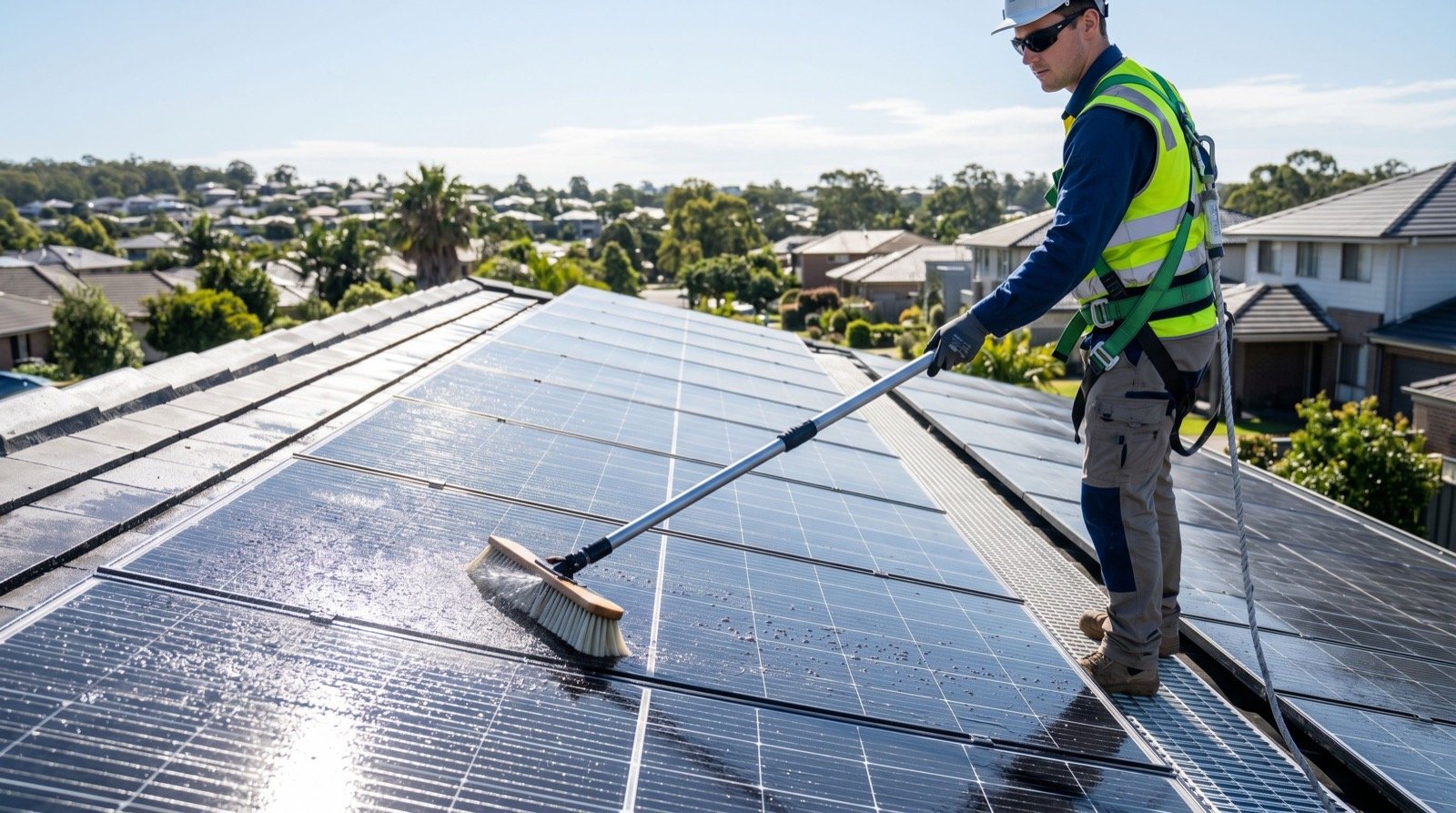
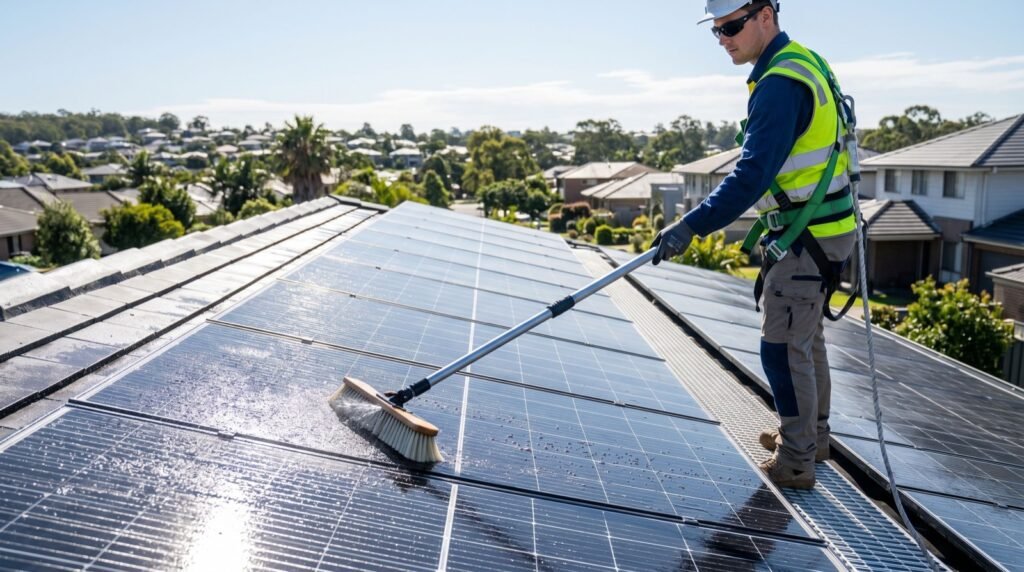
Dust storms are a regular feature of the Multan summer. Fine particles settle on the glass and can reduce production, so a cleaning routine is part of ownership. Wash the panels with soft water in the early morning or evening. Never use cold water on very hot glass, since thermal shock can cause damage.
Mounting structures should also be rated for strong wind. Ask the installer how the frame is anchored and whether the design considers gusts. This one detail separates systems that survive a storm from those that end up on the neighbour’s roof.
Choosing the Right Partner
Because heat stresses every component, equipment quality counts. Seek out quality service providers who can explain their cable choices, inverter placement and warranty process in plain language. If a proposal does not mention temperature at all, that is a warning sign.
It also helps to see how solar adapts to other climates. Colder, dustier valley cities have different priorities, as you can see from a solar company in Peshawar, where winter fog and snow-melt moisture shape the design. Comparing conditions makes it clear why copying a design from another city is risky.
For independent background on technology and energy trends, the International Energy Agency’s solar PV overview is a useful reference, and it explains why panel costs have fallen so sharply over recent years.
A Simple Yearly Routine for Hot-Climate Owners
Good habits keep a system healthy through brutal summers. Set a calendar reminder and follow a short routine each year.
- Before April, inspect mounting bolts and clamps for loosening caused by thermal expansion.
- Check cable ties and conduits for UV cracking and replace brittle sections.
- Look at the inverter vents and clean away dust so it can shed heat.
- Compare this year’s monthly generation with last year’s and investigate big gaps.
These small checks take under an hour and often catch problems long before they cost you production. Keep a simple log of dates, readings and repairs, which also helps if you ever need to make a warranty claim.
Frequently Asked Questions
Do solar panels stop working in extreme heat?
No. They keep producing, but efficiency dips as temperature rises. Good airflow and a low temperature coefficient limit the loss.
How often should I clean my panels in Multan?
Every two to three weeks in dusty months, and after any dust storm. Early morning is the best time.
Is a battery necessary?
Not always. If your main load is daytime cooling, an on-grid system can be enough. Add a battery only if outages are frequent or you need night backup.
What system size suits a 10 marla house?
Most such houses with three air conditioners land between 8 and 10 kW, but your bills should drive the final choice.
Conclusion
Heat is both the challenge and the opportunity in this city. Design for airflow, choose panels with strong temperature performance and maintain them regularly. If you want an honest assessment for solar installation in Multan this year, book a site survey, ask about temperature derating and compare itemised proposals before the 2026 summer begins.